Introduction:
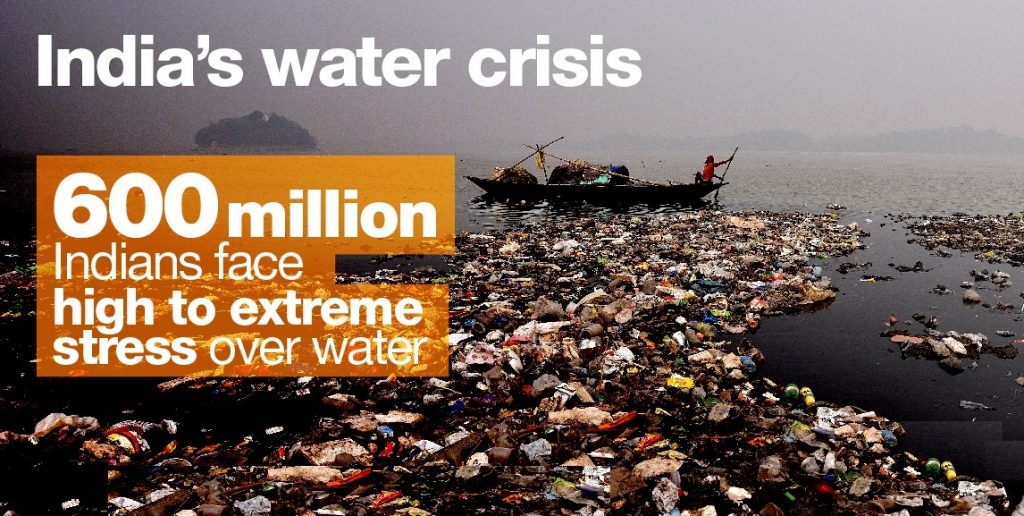
Water scarcity in India is not just a challenge; it's a looming crisis that affects millions, particularly in regions like Bundelkhand in Uttar Pradesh and Madhya Pradesh, and Latur in Maharashtra. In this blog, we'll explore the intricacies of these two significant case studies, shedding light on the causes, impacts, interventions, and the lessons they offer in the fight against water scarcity.
Case Study 1: Bundelkhand Region, Uttar Pradesh and Madhya Pradesh
1.1 The Unpredictable Rainfall Woes:
Bundelkhand's agricultural backbone is crippled by erratic monsoons, where farmers anxiously await rain that often arrives too little and too late. The irregular rainfall patterns severely compromise the agricultural output, pushing farmers into a cycle of debt and poverty.
1.2 Groundwater Depletion:
Over-exploitation of groundwater exacerbates the crisis. Farmers, in their pursuit of sustaining their crops, end up depleting the groundwater levels. This over-extraction not only affects farming but also threatens the drinking water supply, making survival a daily battle.
1.3 Lack of Water Conservation Initiatives:
A significant challenge lies in the lack of awareness about water conservation methods. Traditional methods of water conservation are often ignored, and modern techniques are not widely adopted. This ignorance further aggravates the scarcity.
1.4 Impact on Agriculture and Livelihood:
The agricultural crisis leads to crop failures, leaving farmers in dire straits. With diminishing yields and rising debts, migration becomes a common escape route, causing the social fabric of the region to fray.
1.5 Interventions:
In recent years, Bundelkhand has seen the implementation of watershed management programs aimed at conserving rainwater and improving groundwater recharge. Additionally, promoting the cultivation of drought-resistant crops and raising community awareness about water conservation practices are vital steps toward sustainable solutions.
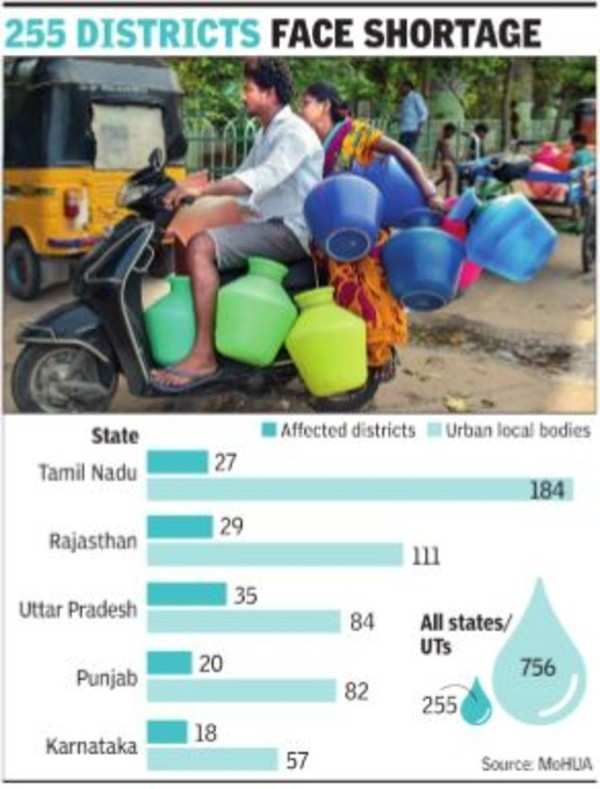
Case Study 2: Latur District, Maharashtra
2.1 The Wrath of Insufficient Rainfall:
Latur, a predominantly agricultural district in Maharashtra, faced a severe water crisis in 2016. Prolonged periods of inadequate rainfall meant the region's water sources, dams, and reservoirs ran dangerously low, heralding an impending disaster.
2.2 Mismanagement Amplifies the Crisis:
Water mismanagement aggravates the problem. Leaky distribution networks, inefficient storage systems, and lack of infrastructural development contribute to the scarcity. Equitable distribution of water becomes a distant dream.
2.3 Socio-Economic Impacts:
Water rationing becomes a necessity, disrupting daily life. Agriculture, the lifeblood of the region, suffers significant setbacks. Farmers face economic distress, and related industries witness a decline. The struggle for water exacerbates social tensions and conflicts among communities.
2.4 The Race for Sustainable Solutions:
In response to the crisis, emergency water supply measures, including water trains and tankers, were deployed to provide immediate relief. Simultaneously, long-term strategies focused on infrastructure development. Investment in building water storage structures, upgrading distribution networks, and promoting rainwater harvesting became essential components of the plan to build resilience against future droughts.
Conclusion:
The cases of Bundelkhand and Latur serve as poignant reminders of the urgent need for a comprehensive approach to tackle water scarcity. While each region faces unique challenges, the common thread lies in the necessity for sustainable, community-driven solutions. Initiatives ranging from watershed management and rainwater harvesting to policy reforms and promoting water-efficient crops can pave the way for a water-secure future.
As we unravel the complexities of water scarcity through these case studies, it's crucial to recognize the resilience of communities and the transformative power of strategic interventions. By learning from these challenges, we can forge a path toward a water-abundant India, where every drop is cherished and every life is safeguarded against the harsh realities of water scarcity. Only through collective efforts, awareness, and sustainable practices can we truly overcome the water crisis and secure a better tomorrow for all.
No comments:
Post a Comment