Introduction
Water, the elixir of life, sustains not only our physical well-being but also serves as the bedrock of sanitation. However, in an alarming reality, millions of people worldwide grapple with water scarcity, a crisis that intricately impacts both health and sanitation. In this blog post, we will delve into the profound interconnection between water scarcity, health, and sanitation, examining the challenges, consequences, and potential solutions that lie ahead.
- Health Impact of Water Scarcity:
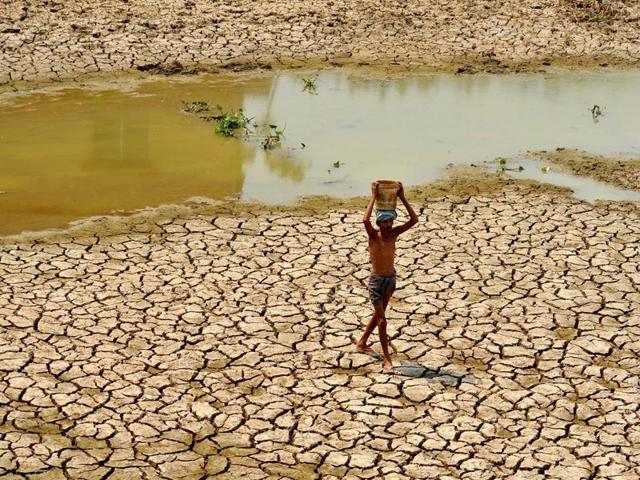
Water scarcity breeds a host of health issues. Limited access to clean water leads to unhygienic conditions, enabling the rapid spread of waterborne diseases such as cholera, typhoid, and diarrhea. Furthermore, inadequate water supply forces communities to rely on unsafe sources, jeopardizing their health and well-being. Dehydration, malnutrition, and weakened immune systems become rampant, triggering a cycle of illness and poverty.
- Sanitation Challenges in Water-Scarce Regions:
In water-scarce regions, maintaining proper sanitation becomes an uphill battle. Lack of water hampers basic hygiene practices, making it difficult to ensure clean surroundings and safe waste disposal. Absence of adequate sanitation facilities not only endangers health but also strips individuals of their dignity and privacy. Open defecation, a common consequence of water scarcity, contaminates water sources, exacerbating the crisis further.
- Vicious Cycle: Water Scarcity, Health, and Poverty:
Water scarcity perpetuates a vicious cycle of poverty, ill health, and inadequate sanitation. Impoverished communities often lack the means to invest in clean water infrastructure or healthcare. Consequently, diseases proliferate, hindering economic productivity. Families are burdened by medical expenses, diverting resources from education and other essential needs. Breaking this cycle requires multifaceted solutions that address both water scarcity and its intricate connections to health and sanitation.
- Innovative Solutions:

Addressing water scarcity demands innovative and sustainable solutions. Rainwater harvesting, water-efficient agricultural practices, and community-led conservation efforts can mitigate the depletion of water sources. Additionally, investment in water purification technologies ensures access to safe drinking water. Simultaneously, educating communities about water conservation, sanitation, and hygiene is pivotal. Empowering individuals with knowledge fosters behavioral changes, paving the way for healthier and more sanitary practices.
- The Role of Technology and Collaboration:

Advancements in technology, such as mobile applications for water tracking and purification devices, play a crucial role in managing water resources efficiently. Collaborative efforts between governments, NGOs, and communities are essential to implement comprehensive strategies. Public-private partnerships can facilitate infrastructure development, ensuring equitable access to clean water and sanitation facilities.
- Sustainability through Community Engagement:
Sustainable change stems from active community involvement. Behavioral science techniques facilitate meaningful engagement, involving community members in the design and implementation of health and sanitation programs. When individuals feel a sense of ownership and pride in their initiatives, the efforts are sustained in the long run, leading to enduring improvements in hygiene practices.
Water scarcity breeds a host of health issues. Limited access to clean water leads to unhygienic conditions, enabling the rapid spread of waterborne diseases such as cholera, typhoid, and diarrhea. Furthermore, inadequate water supply forces communities to rely on unsafe sources, jeopardizing their health and well-being. Dehydration, malnutrition, and weakened immune systems become rampant, triggering a cycle of illness and poverty.
In water-scarce regions, maintaining proper sanitation becomes an uphill battle. Lack of water hampers basic hygiene practices, making it difficult to ensure clean surroundings and safe waste disposal. Absence of adequate sanitation facilities not only endangers health but also strips individuals of their dignity and privacy. Open defecation, a common consequence of water scarcity, contaminates water sources, exacerbating the crisis further.


Water scarcity perpetuates a vicious cycle of poverty, ill health, and inadequate sanitation. Impoverished communities often lack the means to invest in clean water infrastructure or healthcare. Consequently, diseases proliferate, hindering economic productivity. Families are burdened by medical expenses, diverting resources from education and other essential needs. Breaking this cycle requires multifaceted solutions that address both water scarcity and its intricate connections to health and sanitation.
Advancements in technology, such as mobile applications for water tracking and purification devices, play a crucial role in managing water resources efficiently. Collaborative efforts between governments, NGOs, and communities are essential to implement comprehensive strategies. Public-private partnerships can facilitate infrastructure development, ensuring equitable access to clean water and sanitation facilities.
Sustainable change stems from active community involvement. Behavioral science techniques facilitate meaningful engagement, involving community members in the design and implementation of health and sanitation programs. When individuals feel a sense of ownership and pride in their initiatives, the efforts are sustained in the long run, leading to enduring improvements in hygiene practices.
Conclusion
The integration of behavioral science into health and sanitation initiatives signifies a paradigm shift in how we approach public health challenges. By recognizing the psychological factors that influence human behavior, communities can create tailored interventions that inspire lasting change. Nudging, leveraging social norms, utilizing technology, and emphasizing education are not merely strategies but pathways to a healthier, cleaner future. As we continue to harness the power of behavioral science, we move closer to a world where good health and sanitation are not just aspirations but fundamental rights for all.
No comments:
Post a Comment